

Hey there! I'm a supplier specializing in main generator overhauls. Today, I wanna chat about how a main generator overhaul impacts fuel consumption. It's a topic that's super relevant for anyone looking to optimize their operations and cut costs.
First off, let's understand what a main generator overhaul actually is. When we talk about overhauling a main generator, we're talking about a comprehensive inspection, repair, and replacement of parts to bring it back to its optimal working condition. Over time, generators can experience wear and tear, which can lead to decreased efficiency. This inefficiency can have a direct impact on fuel consumption.
A well - maintained and properly overhauled main generator operates more smoothly. When a generator is in good shape, it can convert mechanical energy into electrical energy more efficiently. In a locomotive or a power - generating system, for example, the engine has to work harder to power a poorly maintained generator. This extra effort means the engine burns more fuel to produce the same amount of electrical power.
Let's take a closer look at some of the key aspects of a main generator overhaul that can affect fuel consumption.
1. Electrical Efficiency
One of the primary goals of a main generator overhaul is to improve its electrical efficiency. During the overhaul, we check the windings for any signs of damage or short - circuits. Damaged windings can cause electrical losses, which means the generator has to draw more power from the engine to produce the required electrical output. By replacing or repairing these windings, we can reduce these losses and improve the overall electrical efficiency of the generator.
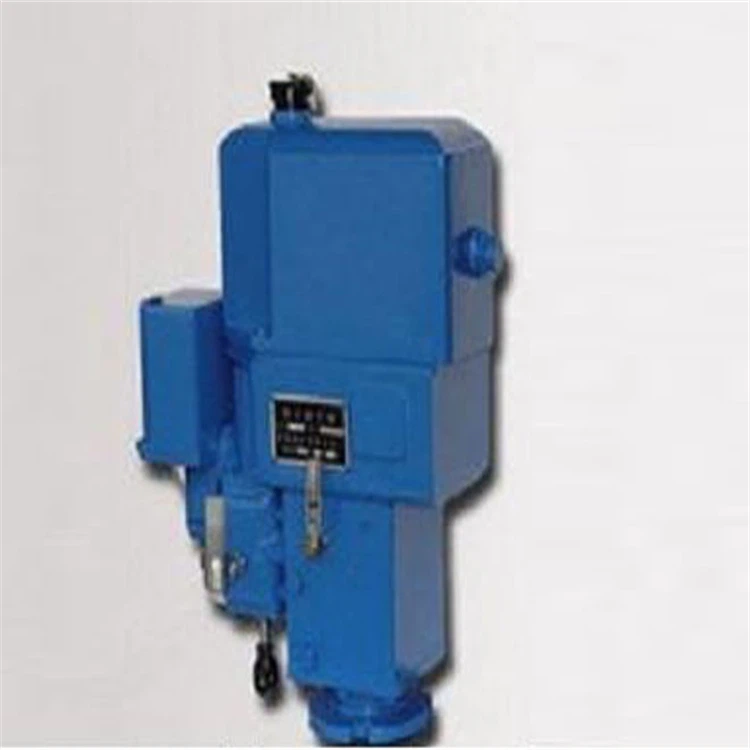

When the generator is more efficient, it needs less mechanical power from the engine. As a result, the engine doesn't have to work as hard, and it consumes less fuel. It's like upgrading your old, inefficient light bulbs to energy - saving ones. The new bulbs give you the same amount of light but use less electricity.
2. Bearing and Rotor Alignment
Another crucial part of the overhaul is checking and adjusting the bearings and rotor alignment. Worn - out bearings can create friction, which requires more power from the engine to keep the generator running. Misaligned rotors can also cause uneven loads on the generator, leading to increased energy consumption.
During the overhaul, we replace any worn - out bearings and ensure that the rotor is perfectly aligned. This reduces the friction and mechanical losses within the generator, allowing it to operate more smoothly. When the generator runs smoothly, the engine can provide the necessary power with less effort, thus reducing fuel consumption.
3. Cooling System
The cooling system of a main generator is also an important factor. If the cooling system is not working properly, the generator can overheat. Overheating can cause the generator to lose efficiency and require more power to function.
In a main generator overhaul, we clean and inspect the cooling system. We check the coolant levels, the condition of the radiators, and the operation of the cooling fans. By ensuring that the cooling system is in top - notch condition, we can prevent overheating and maintain the generator's efficiency. A well - cooled generator operates more efficiently, which in turn reduces the load on the engine and saves fuel.
Now, let's compare a generator before and after an overhaul. Before the overhaul, a generator might be operating at a relatively low efficiency level. The engine has to work hard to compensate for the inefficiencies, resulting in high fuel consumption. After a proper overhaul, the generator's efficiency improves significantly. The engine can now power the generator with less effort, and fuel consumption drops.
For example, in a locomotive, a poorly maintained main generator might cause the locomotive's engine to consume an extra 10 - 15% more fuel compared to a well - overhauled generator. That's a significant amount, especially when you consider the long - distance and high - volume operations of locomotives.
It's also worth mentioning that a main generator overhaul is not a one - time fix. Regular overhauls are necessary to keep the generator in optimal condition. Just like you need to service your car regularly to keep it running smoothly, a main generator needs regular overhauls to maintain its efficiency and reduce fuel consumption.
In addition to main generator overhauls, there are other related services that can also contribute to overall fuel savings. For instance, Combined Regulator Overhaul can help in better controlling the engine's operation, which can lead to more efficient fuel use. Similarly, Injection Pump Overhaul ensures that the fuel is injected into the engine in the right amount and at the right time, optimizing the combustion process and reducing fuel waste. And NPT5 Air Compressor Overhaul can improve the air supply to the engine, which is crucial for efficient combustion.
If you're looking to reduce your fuel consumption and improve the performance of your main generator, we're here to help. Our team of experts has years of experience in main generator overhauls. We use the latest tools and techniques to ensure that your generator is overhauled to the highest standards.
By choosing our main generator overhaul services, you can expect significant fuel savings in the long run. Not only will you save money on fuel costs, but you'll also extend the lifespan of your generator and reduce the risk of breakdowns.
If you're interested in learning more about our main generator overhaul services or want to discuss your specific needs, don't hesitate to reach out. We're always happy to have a chat and see how we can help you optimize your operations and save on fuel costs.
References
- "Power Generation Handbook" by Thomas H. Rothwell
- "Electrical Machinery and Transformers" by Stephen J. Chapman
- Industry reports on locomotive fuel consumption and generator efficiency.


